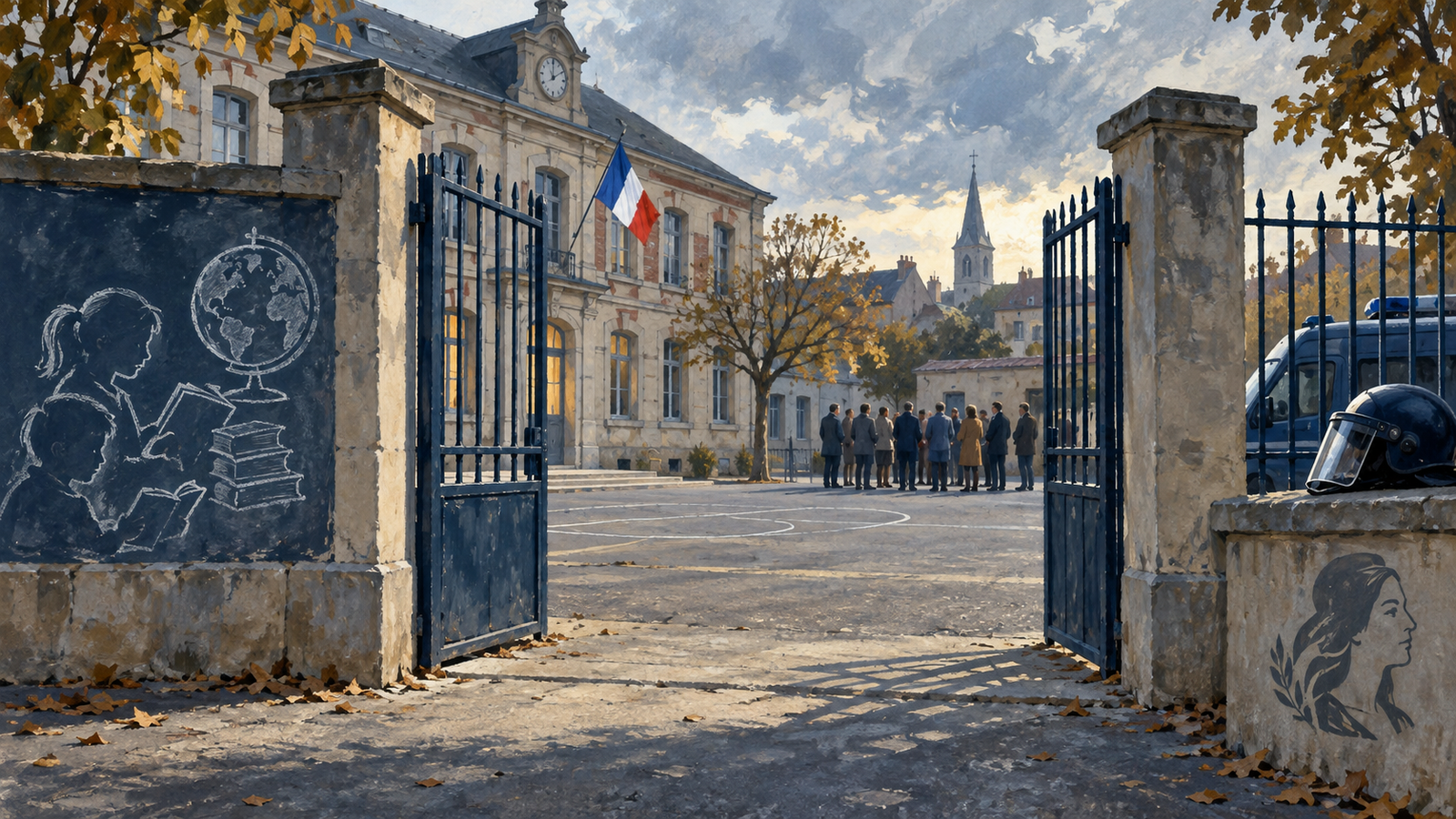
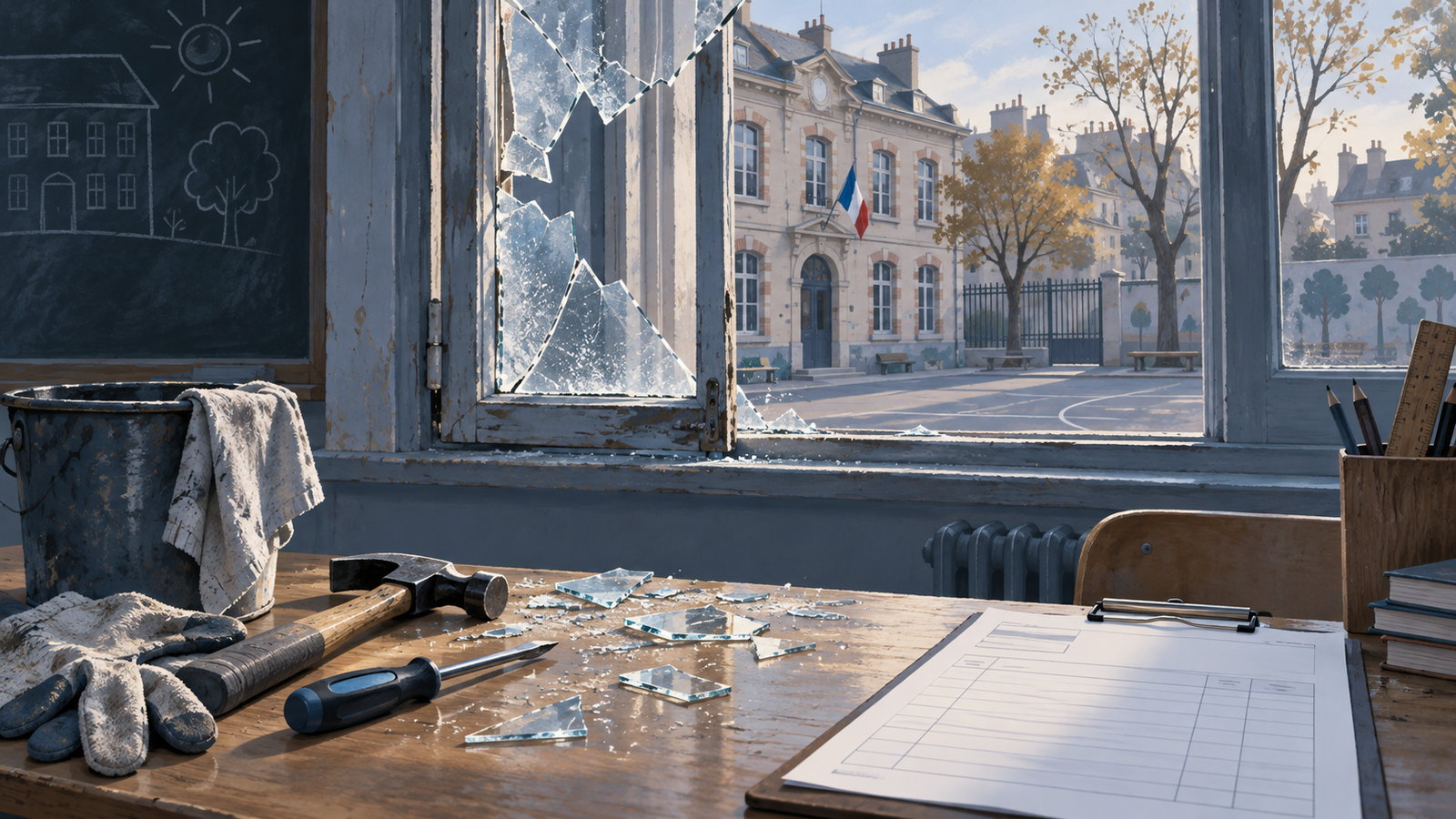
A damaged school is more than a backdrop for a dramatic video. It is a place that has to open again, with pupils returning, staff doing their jobs and somebody paying for repairs. France’s latest school protests have left the authorities facing two tasks at once: responding to students’ complaints and dealing with serious violence around the movement.
The Justice Ministry’s tally, published on 5 October, recorded 5,060 people taken into police custody since the violence began. Of those, 4,406 were minors, or 87 per cent. It reported proceedings against 1,802 people and 14 placements in pretrial detention. These are figures from that dated statement, rather than an updated total for 10 October. They are not a count of convictions.
What the numbers tell us
The ministry also recorded 1,376 alternatives to prosecution and 790 cases closed without further action. It described damage to schools and street furniture costing several million euros to repair. Justice Minister Gérald Darmanin called for a firm response, rapid proceedings where appropriate and consideration of parents’ civil responsibility for minors who had been detained.
That distinction between custody, prosecution and conviction matters. A large arrest figure can tell readers that a policing operation was extensive. It cannot, by itself, tell them that every person detained committed an offence. Nor does the bulletin establish the nationality, religion or immigration status of those involved.
Students’ complaints should not disappear behind the smoke
Amnesty International described a movement that began on 21 September, with demands including more teachers, smaller classes and decent school buildings. In its 5 October statement, the organisation raised concerns about police use of tear gas, batons and rubber bullets and called for de-escalation. Those are the rights organisation’s assessments; they should not be confused with findings by a court in individual cases.
The Education Ministry announced a half-day of dialogue in high schools, beginning from 7 October, organised locally by headteachers. Other lessons were to continue. A separate national consultation on the Agora platform was open until 23 October. The announcement offered students a channel for their complaints; it did not say those complaints had already been resolved.
Analysis: getting back to an ordinary school day
There is a practical question beneath the confrontation: what would let pupils and teachers get back to work safely? Listening to students and investigating violence are compatible obligations. A school should be able to hear an argument about classroom conditions without accepting attacks on its staff or damage to its buildings.
The repair bill also deserves attention after the videos stop circulating. Authorities should publish how much work is required, which schools are affected and when it will be finished. A broad estimate is a starting point. Families need the detail that tells them whether their own school can function normally.
The same care belongs in the criminal cases. Charges should identify acts and evidence, rather than treating everyone near a protest as interchangeable. Allegations of excessive police force need a clear route to investigation as well. Public confidence is harder to rebuild when people believe one side can avoid scrutiny.
For readers watching short clips online, the temptation is to settle the entire story with a caption. The useful questions are more specific. Where was the recording made? When? What happened before it began? Has an identifiable offence been investigated? A video can help answer those questions, but a repost’s description cannot substitute for them.
France’s response will ultimately be judged in classrooms and courtrooms: whether schools work, whether proven violence has consequences, and whether lawful protest remains possible. That is a more demanding measure than the volume of outrage a clip can generate.
Reporting note: this article uses published statements and documents. People’s Reporter’s did not conduct interviews or attend the demonstrations.
Independent reporting. A European perspective.