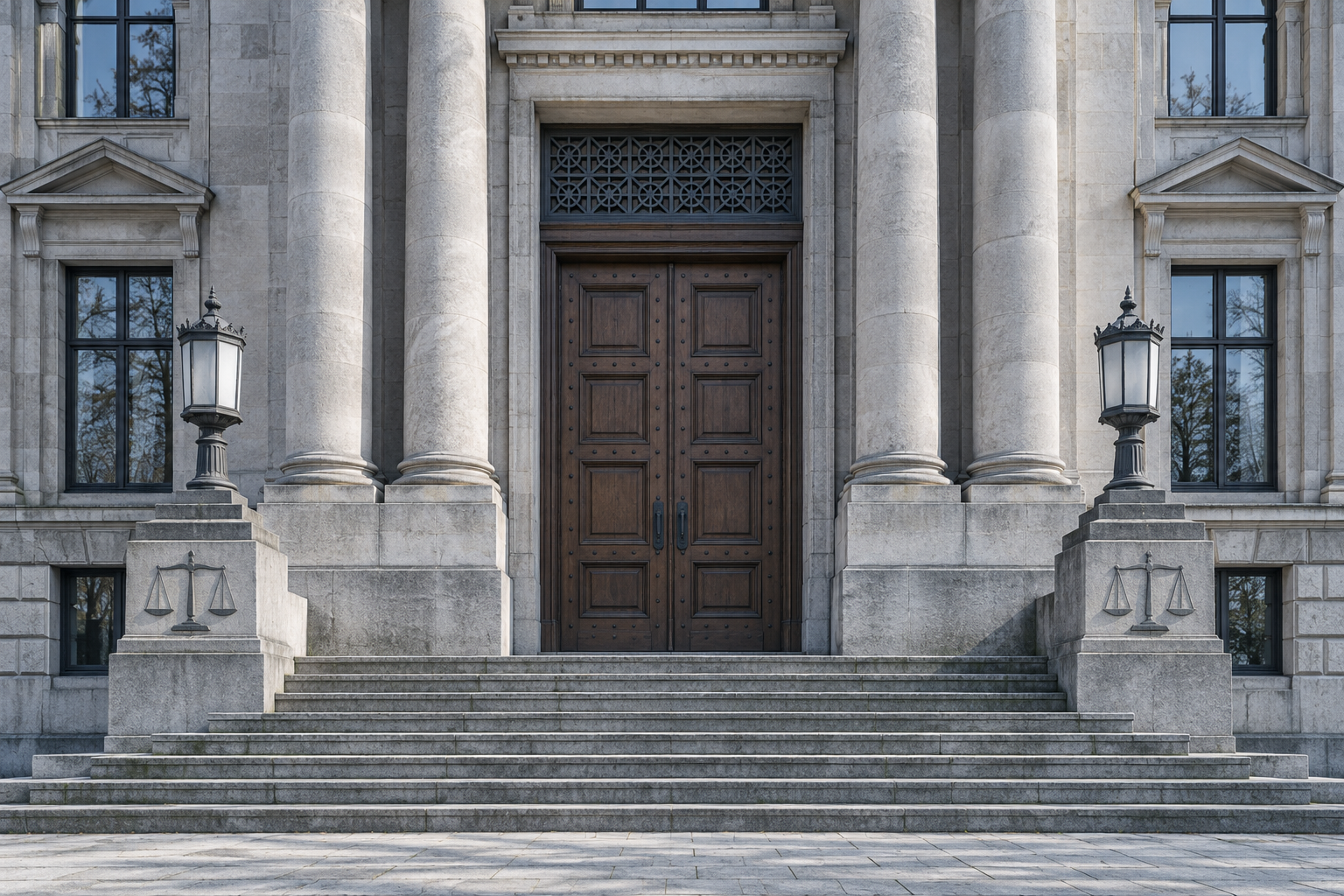
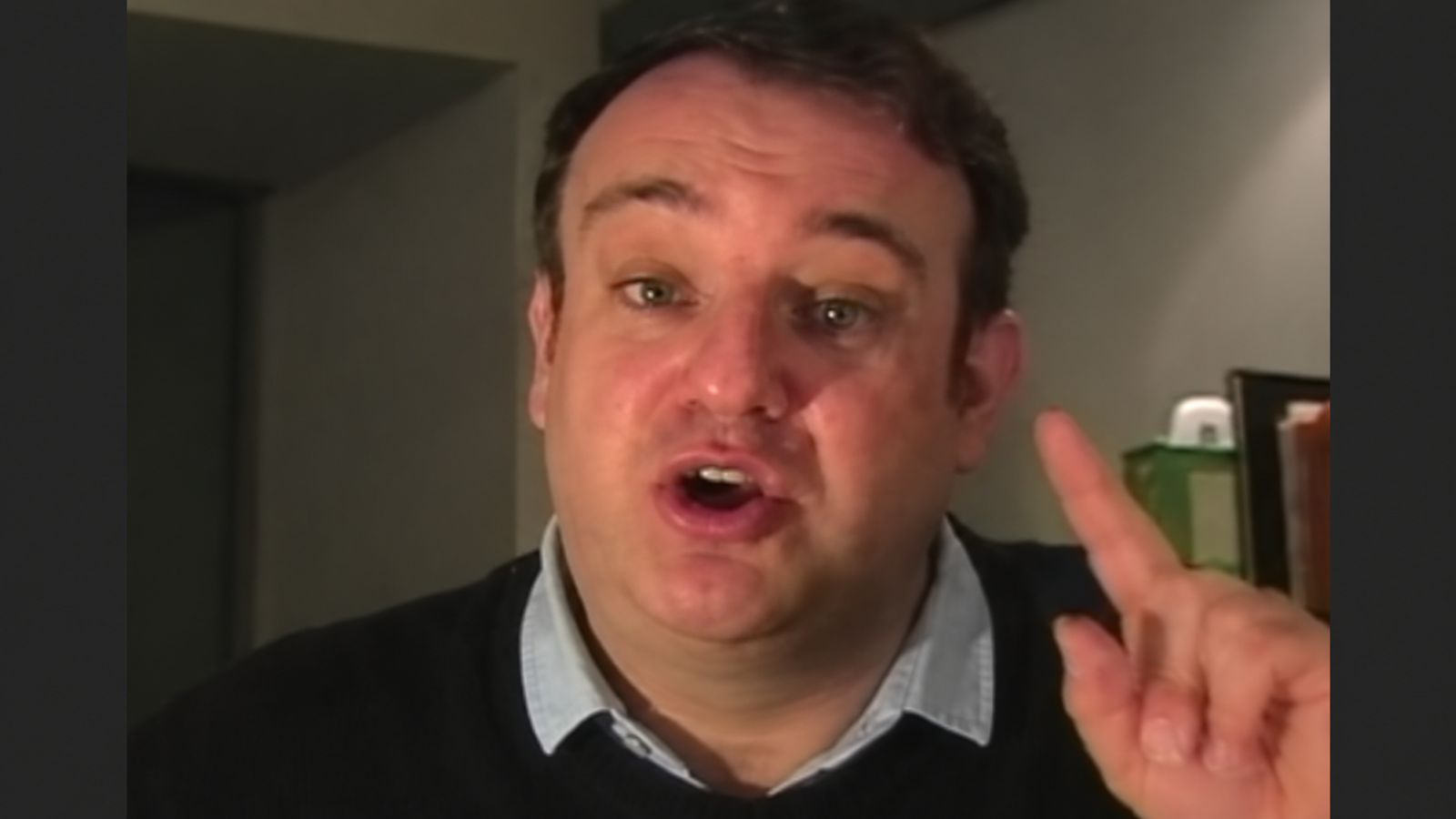
A Paris court sentenced Vincent Reynouard to eight months in prison on 22 September 2026. The case concerned articles published in Rivarol in 2024 and 2025, according to AFP reporting carried by The Times of Israel.
The report says the court found him guilty of denying crimes against humanity and of antisemitic insult. His writing denied Nazi gas chambers and used a dehumanising description of Jewish people. He was also ordered to pay damages jointly with the magazine’s editor to organisations involved in the case.
This is reporting on a September judgment, rather than a new sentence handed down today. We have not established a subsequent appeal outcome or the exact date on which custody began.
What the headline describes
The phrase about gas chambers describes the false claim behind the case. It is not a statement of historical fact by this publication.
The United States Holocaust Memorial Museum documents Nazi gas chambers through surviving records, buildings, perpetrator and eyewitness testimony, photographs and investigations. The Nazis used poisonous gas as a method of mass murder during the Holocaust. Denial does not overturn that evidence.
The court case and the public debate
People can debate the appropriate scope of criminal restrictions on speech and whether imprisonment is the best response to false or offensive claims. That debate requires a clear account of what a court decided and what the historical record establishes.
In this case, reducing the judgment to an unexplained slogan would omit the additional finding of antisemitic insult. Reporting should retain that context, distinguish the sentence from its eventual enforcement and avoid presenting denial as a competing historical discovery.
The same standards apply whatever the subject’s politics: describe the proceedings accurately, identify uncertainty and let readers examine the actual grounds for a decision.
Independent reporting. A European perspective.