
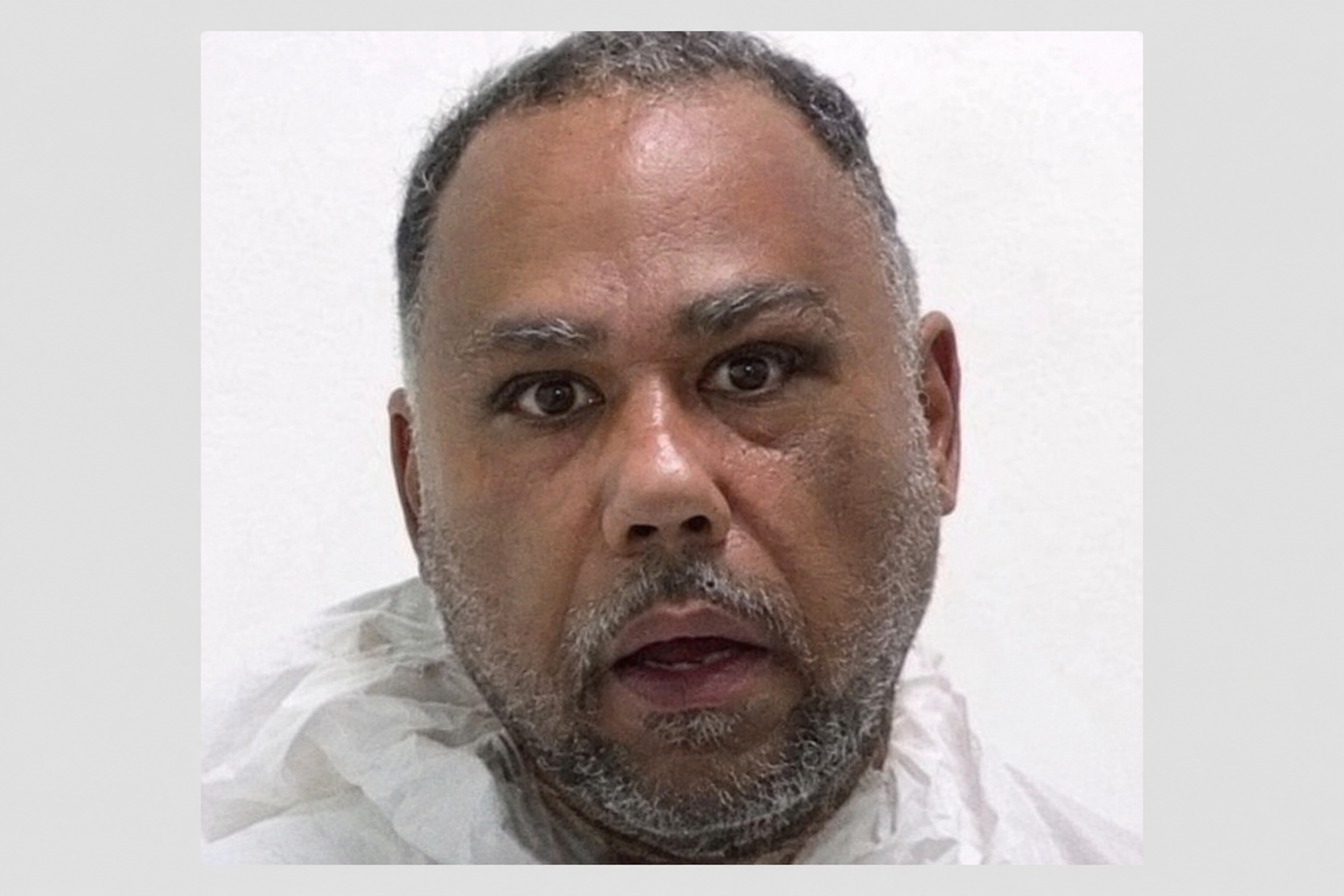
A mother waiting for a school bus with her young daughter should not have to treat the pavement as a place of danger. In Providence, Rhode Island, that ordinary afternoon routine ended with both of them in hospital. Police allege that Nelson Blanco, 46, attacked the two-year-old girl in her stroller and wounded her mother on 7 October.
The case has raised questions beyond the immediate criminal investigation. Local reporting describes earlier charges involving attacks on children, repeated findings that Blanco was not competent to stand trial, and an outpatient recommendation accepted just months before the latest alleged attack.
These are allegations and reported court decisions, not a conviction in the new case. The distinction matters. It also leaves a pressing public question: how are families protected when a person facing serious charges cannot be prosecuted through an ordinary trial?
What happened at the bus stop
Police identified the location as the area of Broad and Public streets. NBC Boston reported that investigators described the attack as unprovoked and had not confirmed a motive. The mother and child were waiting for a school bus when they were approached, according to the accounts released by police.
Blanco was arrested and charged with two counts of assault with intent to commit murder, alongside weapons and breaking-and-entering charges. Boston.com reported the list of charges announced by the department. A charge is an accusation that must be tested in court.
Initial reports placed the child in critical condition. Her condition was reported at that time; this article does not present the early hospital update as a confirmed assessment of her health today. The victims' names are not needed to explain the public-interest questions surrounding the case.
Earlier allegations, and a July decision
WPRI's reporting, republished by AOL, says Blanco was charged with stabbing two seven-year-old children in 2003 and was eventually found incompetent to stand trial in that case. It also describes a separate domestic-violence case following a 2024 arrest.
In July 2026, according to that report, he was found incompetent in the later case. A judge accepted a doctor's recommendation allowing outpatient status, based on an assessment that he was not then likely to endanger the community or himself. That earlier decision should not be confused with a completed competency finding in the October case.
The same report says no plea was entered at the initial appearance in the new case and that he was held as a bail violator. Other coverage describes a $200,000 bail order. Those accounts should not be flattened into a claim that he was simply released again following this attack. The reporting reviewed here places him in custody after his arrest.
The decision-making needs scrutiny
A finding of incompetence to stand trial concerns the ability to participate in criminal proceedings. It should not be described as an acquittal, proof of innocence or a prediction that a person is safe in every setting. The reported July assessment was made at a particular time, in a different case.
Our editorial position is that protecting children must be central to decisions about treatment, supervision and community safety. That requires a serious examination of the sequence of assessments, the conditions attached to outpatient care and the information available to decision-makers. It does not require assuming that every person receiving psychiatric care is dangerous.
There are answers the public deserves: what safeguards were in place, who monitored them and how was earlier alleged violence taken into account? Those questions can be asked firmly without pretending that we have reviewed a complete medical file or every court record ourselves.
There is also no verified basis in the material reviewed here for assigning Blanco an immigration status or citizenship. The case concerns the specific allegations against him and the institutions responsible for managing risk. Those facts are serious enough on their own.
The criminal proceedings must establish responsibility for the latest attack. Alongside them, the decisions that preceded it deserve transparent scrutiny. A family waiting for a school bus should be able to count on more than the hope that an earlier assessment will hold.
Independent reporting. A European perspective.